
Most fitness apps provide excellent free tracking. You can map your run, count your steps, and track your calories without ever opening your wallet. While this is great for the user, it creates a massive monetization challenge for the developer: Why should I pay for "Pro" when the free version already does 90% of what I need?
To break through this ceiling, high-growth fitness apps are shifting their monetization strategy from gating utility to gating experience. They aren't charging for data; they’re charging for motivation, social status, and exclusive competition.
Programmatic challenges and exclusive leaderboards are an underrated and highly effective way to drive these "Pro" conversions.
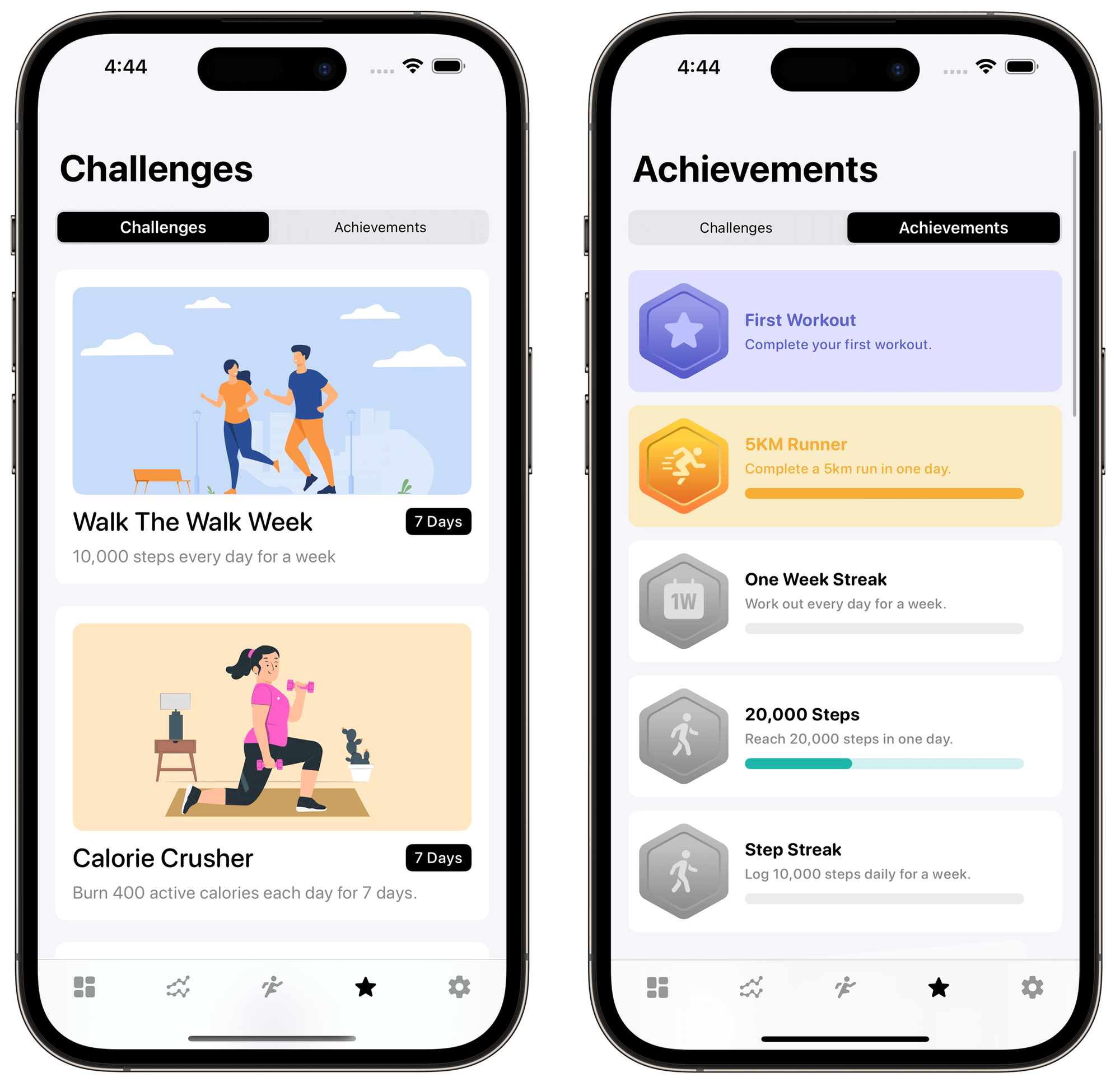
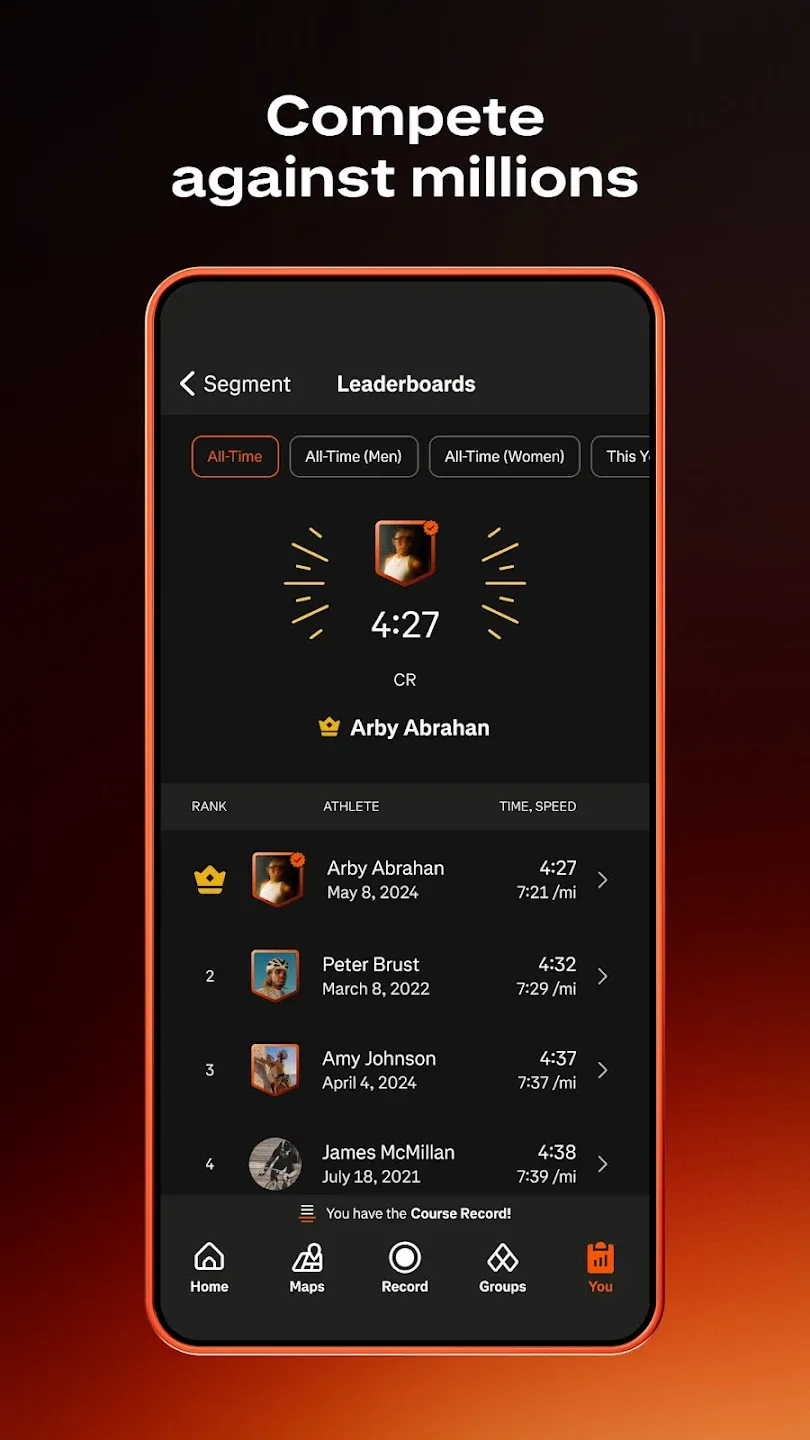
Case Study: How Strava Gated the Leaderboard
Strava is the master of this model. They understood early that while GPS data and workout tracking is a commodity, the Segment Leaderboard is a premium product.
By putting segment leaderboards and advanced filtering (ranking by age, weight, or historical personal bests) behind their subscription paywall, they didn't gate the tool—they gated the competition. They tapped into the user's fundamental desire for social validation and deeper competitive insight without removing the core utility of the app.
The lesson for every fitness founder is clear: don't charge for the tracker; charge for the game.
Designing "Pro" Gamification Features
If you want to use gamification to drive revenue, you need to design features that provide genuine "Elite" status and high-context social validation.
- Premium Challenges: Launch time-bound, high-reward events (e.g., "The 100 Mile March") that offer exclusive digital badges or physical partner rewards. The exclusivity of entry is what creates the perceived value. Apps like Peloton and Nike Run Club have proven this model—limited-time challenges with real stakes drive both engagement and conversions. The key is scarcity: a challenge that's always available isn't special.
- Segmented Pro Leaderboards: Create "VIP Lounges"—exclusive lists for verified subscribers only. For example, a "Top 100 in London" leaderboard that only paying members can join.
- Advanced Filtering: Use user attributes (Age, Weight, Skill Level) to let Pro users find their exact competitive peer group. Competing against the world is hard; competing against other "40-year-old marathoners" is a compelling, winnable game.
- Performance Thresholds: Gate entry based on achievement. For example: "Only users with a current 10-day streak can enter the Elite Marathon Challenge."
Implementation: Programmatic Gating
Building these gating mechanisms from scratch requires significant backend architecture. Trophy provides the primitives to launch these features in an afternoon.
Gate Badges with Attribute Filters
Using Trophy's native user attribute filters, you can restrict achievement unlocks (and their associated badges) to users with a specific is_pro attribute. When a free user completes the requirements, the system knows they would have won the badge, creating a perfect conversion moment.
Build Exclusive "VIP" Leaderboards
Trophy's leaderboard API allows you to create leaderboard instances that serve as exclusive clubs. By checking user metadata (e.g., subscription_tier: 'gold') at the API level, you can ensure these high-status lists are only visible and joinable by your verified subscribers.
Trigger Upgrades with Webhooks
Trophy webhooks allow you to identify "conversion moments" in real-time. Imagine sending a push notification to a free user that says: "You just beat the average pace of our Pro leaderboard! Upgrade to Pro to claim your Elite Badge and see where you rank."
This is a context-aware nudge that proves the value of the subscription based on the user's own performance.
Automate Rewards with Webhooks
Once a user converts and completes a premium challenge, the reward needs to be instant. Trophy's webhook system can trigger external fulfillment flows the moment an achievement is unlocked.
Whether it's unlocking a digital "Elite" badge on their profile or emailing a unique discount code for physical gear, the reward loop is handled automatically.
Motivation-as-a-Service
In the modern app economy, retention and monetization are two sides of the same coin. By focusing on monetizing the premium experience of motivation rather than ever-more-commoditized utilities, you build a business model that scales with your users' progress.
Gating the experience—the challenges, the social status, and the community—is how you turn casual trackers into lifelong subscribers.
Ready to launch your first premium challenge? Try Trophy.
FAQ
Why shouldn't I gate basic tracking features for "Pro" users?
If you gate basic utilities (like GPS or calorie counting), users will simply switch to a free competitor that offers these features. Gating experience—like challenges, leaderboards, and community status—retains users because they are paying for motivation and belonging, which are harder to commoditize.
Can I automate rewards for premium challenges?
Yes. Trophy’s webhook system allows you to trigger external actions the moment a user completes a challenge. You can automatically email a discount code, unlock a digital collectible, or grant a "Pro" status badge without manual intervention.
How do I prevent free users from joining premium leaderboards?
You can use Trophy’s user attribute filters. Simply tag your paying users with an attribute like tier: 'pro'. When configuring your leaderboard or challenge, set a rule that only allows users with tier: 'pro' to join.
Does Trophy handle payments for challenges?
No. Trophy handles the gamification logic (tracking progress, ranking users, unlocking badges). You handle the payment processing (via Stripe or Apple IAP) in your app, and then update the user's Trophy profile with the relevant attribute (e.g., is_paid: true) to unlock access.
How do challenges improve subscription retention?
Challenges create recurring engagement loops. A user who joins a monthly challenge has a reason to stay subscribed for at least that month. Stack multiple overlapping challenges, and you create subscription stickiness—users don't want to lose access mid-challenge. This is why Strava and Peloton run continuous challenge calendars.
What's the best way to convert free users to paid in a fitness app?
The highest-converting moment is when a free user almost achieves something premium. For example: "You just beat 80% of our Pro leaderboard—upgrade to see your exact rank and claim your Elite badge." This context-aware nudge proves value using the user's own performance, not generic marketing copy.
How do I price premium fitness app features?
Price based on perceived value, not cost. Exclusive leaderboards and challenges feel more valuable than storage or data exports. Most successful fitness apps use tiered pricing: a free tier with core tracking, a mid-tier ($5-10/mo) with challenges and basic leaderboards, and a premium tier ($15-20/mo) with exclusive competitions and advanced analytics.
Should I offer annual subscriptions for fitness apps?
Yes, with incentives. Annual plans reduce churn (users are committed for 12 months) and improve cash flow. Offer 2-3 months free for annual vs. monthly to drive uptake. Gamification helps here too: "Annual members get exclusive access to our New Year Challenge" creates a compelling reason to commit.
How do I create urgency around premium challenges?
Use time-bound scarcity: challenges that start on a specific date and have limited entry windows. Display countdowns ("Starts in 3 days"). Show social proof ("1,247 members already joined"). Gate by achievement ("Only users with a 7-day streak can enter"). Scarcity + exclusivity = perceived value.
Get the latest on gamification
Product updates, best practices, and insights on retention and engagement — delivered straight to your inbox.
The gamification layer for consumer apps
Drop-in gamification features you can ship this sprint. Increase retention and user engagement without sacrificing your roadmap.
 Book a call