
If you're building a brand in 2026, the era of "broadcasting" is over (unless you can afford a Super Bowl ad). Heavily personalized AI-powered algorithms have made broad reach unpredictable, expensive, and frankly, shallow. A 100k Twitter account today has less purchasing power than a 500-person private Discord.
Why? Because people trust their communities far more than they trust ads and influencers. And in a world drowning in AI-generated noise, people don't want more content. They want connection.
This is the shift from "rented land" (social media) to "owned castles" (micro-communities). Here is why the smartest brands are pivoting-and how you can too.
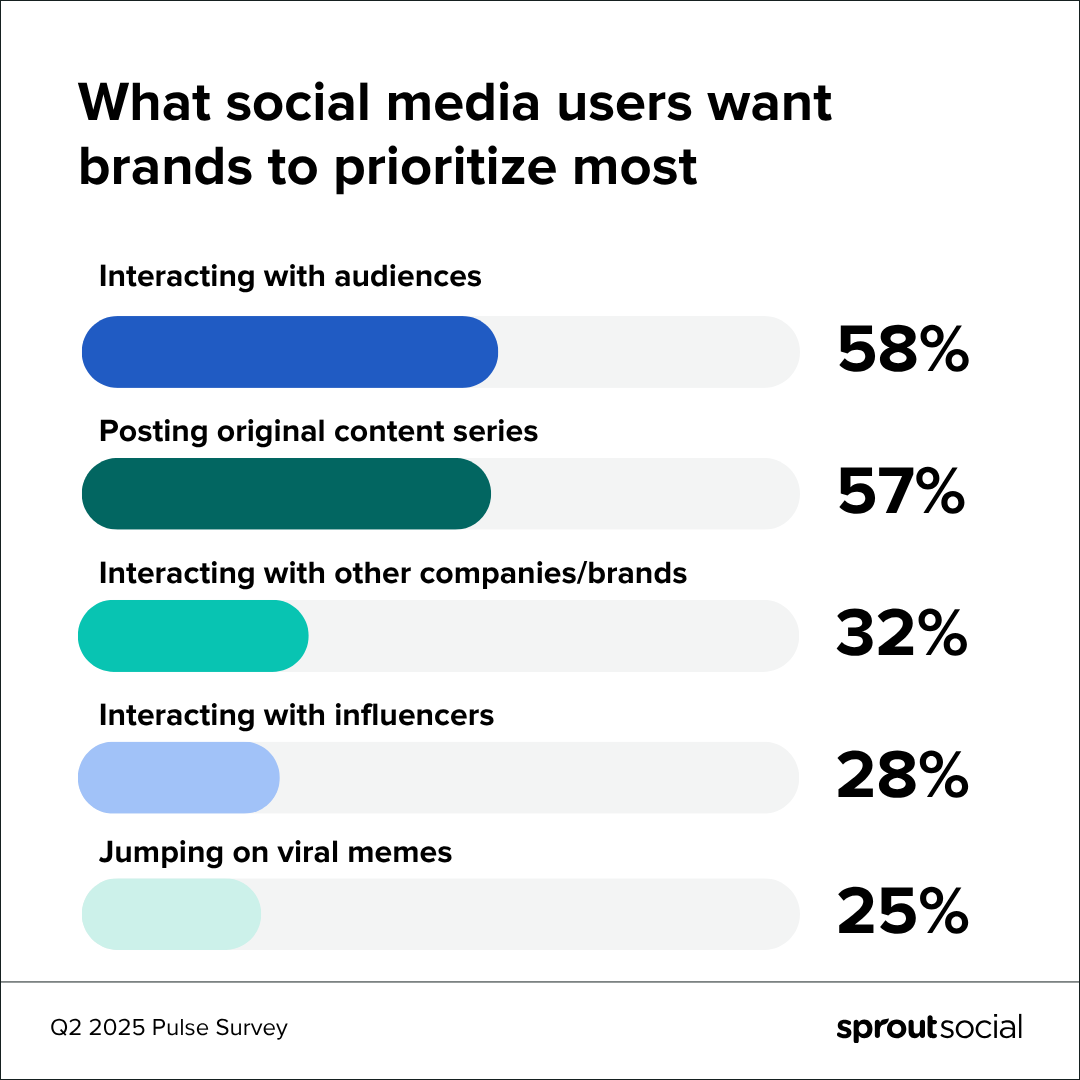
The Great Fragmentation
For the last decade, the playbook was simple: Influencers post content -> Go viral -> Funnel traffic -> Sell product.
But look at your feed today. It's fragmented and hyper-personalized. You don't follow too many people anymore; you watch what the algorithm serves up for you.
As a result of that lack of connection, users are fleeing to:
- Niche Networks: Professional communities like Exit Five (B2B marketing) or Lenny's Newsletter Community (Product) are where the real deals happen.
- Owned Platforms: Creators like Pat Flynn (Smart Passive Income) have moved their entire ecosystem off Facebook Groups to Circle, where they control the algorithm.
- Dark Social: The most influential conversations are happening in WhatsApp groups and private Telegram chats where brands can't see them.
- Hyper-Local Groups: Strava Run Clubs are replacing global leaderboards because accountability works better when you can actually meet the people you're competing against.
The Economics of Building Small Communities
Retention is Cheaper
It is infinitely harder to leave a group of friends than it is to unfollow a brand page. When your product facilitates peer-to-peer connection, your churn rate drops because leaving the product means leaving the tribe.
Data Point: According to Higher Logic, companies with branded communities report a 50% decrease in support costs and a 2x increase in customer retention rates.
CAC (Customer Acquisition Cost) Plummets
In a micro-community, your members become your sales team. They invite their friends because the space is valuable, not because you paid them a referral fee. Genuine word-of-mouth is the only channel that gets cheaper as you grow.
LTV (Lifetime Value) Spikes
Data consistently shows that community members buy more, upgrade faster, and stay longer. They aren't just buying a tool; they are buying a membership card to an identity.
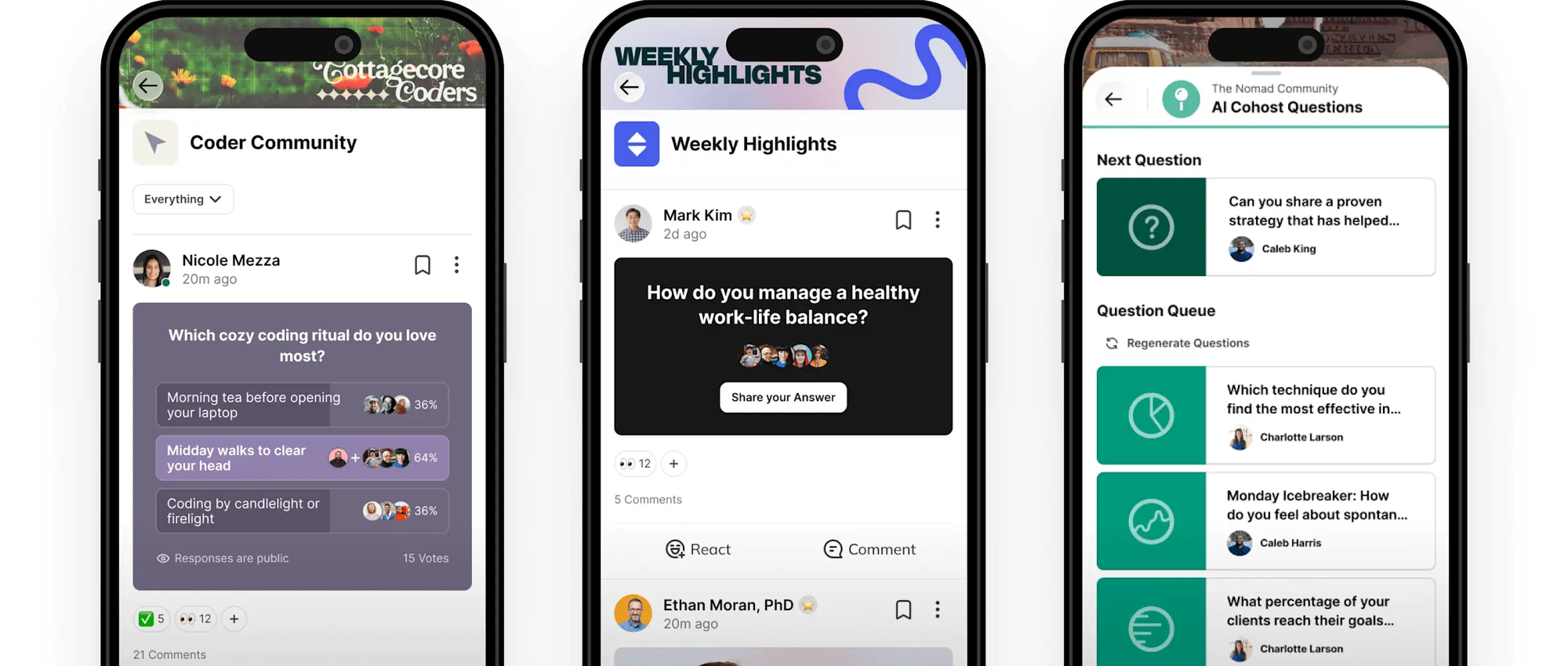
Strategy Shift: Facilitator vs. Broadcaster
So, how do you actually build this? You have to stop acting like a media company and start acting like a host.
The Old Way (Broadcaster):
- Create content.
- Push it out.
- Hope for likes/comments.
- Key Metric: Reach.
The New Way (Facilitator):
- Create context (a theme, a problem, a shared goal).
- Invite discussion.
- Connect members to each other and reward that connection.
- Key Metric: Peer-to-Peer Ratio (Value).
Conclusion
The future of marketing isn't big, loud, and broadcasted to everyone. It's small, deep, and connected.
Don't build an audience. Build a club.
FAQ
What is a micro-community?
A micro-community is a small, focused group (typically 50-500 members) united by a shared interest, goal, or identity. Unlike mass audiences, micro-communities feature high engagement, peer-to-peer interaction, and strong trust. Examples include niche Slack groups, private Discord servers, and local run clubs.
How do micro-communities differ from social media audiences?
Audiences are passive—they consume content. Communities are active—they create value for each other. In an audience, you broadcast one-to-many. In a community, members interact many-to-many. The key metric shifts from reach (vanity) to engagement depth and peer-to-peer connections.
Why are brands moving away from large social media followings?
Algorithm changes have made organic reach unpredictable and expensive. A 100k follower account might reach only 2-5% of followers per post. Meanwhile, a 500-person community with 80% engagement delivers more qualified attention. Brands are trading rented reach for owned relationships.
How do I measure the success of a micro-community?
Key metrics include: (1) Engagement rate (% of members active weekly), (2) Peer-to-peer ratio (member-to-member interactions vs. brand-to-member), (3) Retention rate (how long members stay), (4) NPS/satisfaction scores, and (5) Referral rate (organic invites from existing members).
What platforms are best for building micro-communities?
It depends on your audience. Circle and Mighty Networks offer owned community platforms. Discord works for gaming, crypto, and developer communities. Slack suits professional/B2B groups. WhatsApp/Telegram work for informal, mobile-first communities. The key is choosing a platform your members already use.
How do I start a micro-community from scratch?
Start with your most engaged existing customers—your "superfans." Invite 20-50 to a private space around a specific theme or challenge. Focus on facilitating connections between members rather than broadcasting content. Once you see organic peer-to-peer engagement, slowly expand with referrals.
Can micro-communities scale?
Yes, but differently. You don't scale group size—you scale the number of groups or the value per member. Many brands run multiple micro-communities (by region, interest, or customer tier). Each stays small and intimate; the network effect comes from the ecosystem, not any single group.
Get the latest on gamification
Product updates, best practices, and insights on retention and engagement — delivered straight to your inbox.
The gamification layer for consumer apps
Drop-in gamification features you can ship this sprint. Increase retention and user engagement without sacrificing your roadmap.
 Book a call